
The $8 Billion Drain‑Cleaning Market Is Still Stuck in a Broken Hiring Loop – A Homeowner’s Guide to Smart, Transparent Sewer Repairs
Your home deserves more than endless phone tag and vague “$200‑plus” estimates. Learn how to navigate drain cleaning & sewer repair with confidence, and…
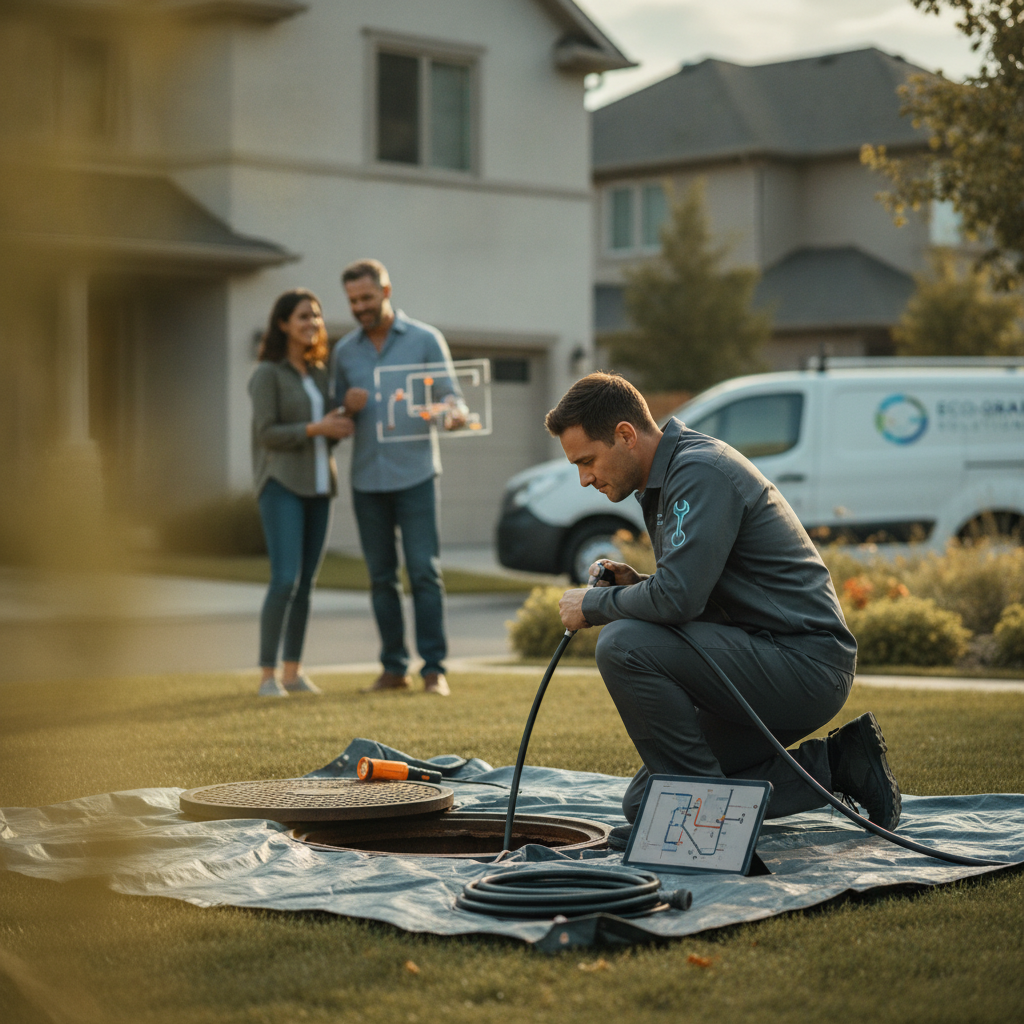
Your home deserves more than endless phone tag and vague “$200‑plus” estimates. Learn how to navigate drain cleaning & sewer repair with confidence, and discover why the AI‑native workflow from PLMBR is changing the game.
Introduction
Imagine a rainy night in Boston. You hear a gurgling sound from the kitchen sink, turn the faucet on, and water backs up onto the floor. You call the local “drain‑cleaning” number you found on a generic directory, only to be bounced between three offices, each promising the fastest response and the lowest price. After a half‑hour of phone tag you finally get a quote: “$250‑plus, pay 100 % up front, and we’ll be there tomorrow.”
You’re not alone. The U.S. drain‑cleaning and sewer‑repair market is projected to grow from $5.6 B in 2024 to $8.4 B by 2031—a 6 % CAGR—driven by aging infrastructure and tighter environmental rules. Yet homeowners still wrestle with the same antiquated hiring workflow that has existed for decades: vague estimates, pressure to sign on the spot, and upfront‑payment traps.
This guide breaks down everything you need to know about drain cleaning and sewer repair, from real‑world cost ranges to the hidden risks of traditional lead‑gen platforms. We’ll also show you how PLMBR’s AI‑native workflow eliminates the friction points that make home repairs feel like a gamble.
What Homeowners Need to Know About Drain Cleaning & Sewer
1. The Core Services
| Service | Typical Use Case | Why It Matters |
|---|---|---|
| Basic Drain Snaking | Minor clogs in sinks, tubs, or toilets | Quick fix, low cost, but often a symptom of deeper buildup |
| Motorized Auger | Tougher blockages in bathroom or kitchen lines | More power, reduces repeat calls |
| Hydro‑Jetting | Grease, tree roots, or mineral scale in main lines | Cleans up to 99 % of pipe interior, prolongs pipe life |
| Video Camera Inspection | Diagnosing hidden main‑line breaks or collapsed pipes | Provides visual proof, essential for accurate quotes |
| Trenchless Sewer Repair (CIPP/Spot‑Lining) | Damaged pipe sections without costly excavation | Saves time, reduces landscape disruption |
| Open‑Cut Replacement | Severely collapsed or broken pipe sections | Most expensive, but sometimes the only viable solution |
Scroll to see all columns →
2. Why Timing Is Critical
- Aging infrastructure: The average U.S. sewer pipe is over 50 years old. Corrosion or root intrusion can turn a minor clog into a catastrophic backup within days.
- Seasonal surcharges: After‑hours or winter emergencies can add $150‑$500 to any job (see the “Cost / Risk / Hiring Reality” table below).
- Regulatory pressure: Many municipalities now require video documentation of sewer repairs for permitting and public‑health compliance.
3. Common Misconceptions
- “All drain cleaning is the same.” In reality, the method (snaking vs. hydro‑jet) and the pipe material (PVC, cast iron, clay) dramatically affect cost and durability.
- “If the price is low, it’s a good deal.” Low‑ball bids often skip critical steps like inspection, leading to repeat service calls and hidden damage.
Cost / Risk / Hiring Reality
| Service Type | Typical 2025 Cost Range* | Typical Risks |
|---|---|---|
| Basic Drain Snaking | $100 – $250 | Missed deeper blockage; may need repeat visit |
| Motorized Auger | $200 – $350 | Potential pipe damage if operator is inexperienced |
| Hydro‑Jetting | $300 – $600 | Higher water pressure; must verify pipe integrity first |
| Video Camera Inspection | $150 – $400 | Usually bundled; essential for accurate scope |
| Emergency After‑Hours Call | $150 – $500+ | Premium surcharge; limited provider availability |
| Main Sewer Line Cleaning | $250 – $800+ | Depends on length, method, and accessibility |
| Full Trenchless Sewer Repair | $1,500 – $12,000 | Cost driven by pipe diameter, length, and material |
| Open‑Cut Replacement | $8,000 – $30,000+ | Highest tier; extensive excavation and restoration |
Scroll to see all columns →
*Compiled from multiple sources: Cottrell Plumbing, Angi, Swivl, Brewer Sewer, Sewer Repair Authority.
Hidden Fees That Show Up Later
- “Travel fees” added after the technician arrives.
- “Disposal fees” for removed material.
- “Permit fees” that aren’t disclosed until the final invoice.
These surprises are often the result of vague, unstructured quotes—the exact problem PLMBR solves with line‑item booking packets.
How to Vet Providers Without Getting Burned
-
Check Licensing & Insurance
- Verify state plumbing licenses via your local licensing board (e.g., Massachusetts Board of Board of Professional Licensure).
- Ask for liability insurance and workers‑comp coverage; PLMBR tracks expiration dates automatically.
-
Read Verified Reviews, Not “5‑Star” Marketing
- Look for reviews that mention scope clarity, timeliness, and billing transparency.
- Avoid platforms where the majority of reviews are “Great service, cheap price!” with no detail—these are often lead‑gen farms.
-
Demand a Structured Quote
- A proper booking packet lists every line item: labor, materials, inspection, and any contingencies.
- Compare at least two packets side‑by‑side (PLMBR’s compare‑packets view makes this effortless).
-
Ask About Payment Protection
- Reputable pros use escrow or hold‑funds mechanisms (Stripe‑powered authorize‑and‑capture).
- Never pay 100 % upfront unless you have a signed contract with clear milestones.
-
Confirm Availability & Response Time
- Ask for an estimated start date and a completion timeline.
- Providers who rely on “phone‑tag” usually have low utilization rates, which can delay your repair.
Pro‑Tip: A provider that offers a video inspection and includes the video link in the booking packet demonstrates confidence in the scope and saves you from surprise “additional work.”
Where The Old Workflow Breaks
| Step | Traditional Pain Point | Real‑World Consequence |
|---|---|---|
| Intake | Homeowner describes problem in a free‑form email or phone call; the provider must guess trade & urgency. | Mis‑matched trades, wasted time, longer resolution. |
| Matching | Leads are sold to any contractor in the area, regardless of skill or availability. | Homeowner receives dozens of low‑quality replies, many dead leads. |
| Quote Generation | Providers give a single “ballpark” number (e.g., “$250‑plus”). | No line‑item clarity, hidden fees appear later. |
| Negotiation | Phone tag stretches over days; pressure to “sign now” or “pay today.” | Homeowner feels rushed, may agree to unfavorable terms. |
| Payment | Upfront cash or check; no escrow. | Risk of non‑completion, no recourse if work is sub‑par. |
| Post‑Job | Dispute resolution relies on phone calls or third‑party mediators; documentation is scattered. | Long, stressful disputes; possible loss of money. |
Scroll to see all columns →
These friction points are systemic: lead‑gen platforms like Thumbtack and Angi charge per‑lead fees (often $25‑$120) without guaranteeing qualified jobs, while also forcing homeowners into “quick‑sign” contracts. The result is a broken hiring loop that fuels the $8 B market’s growth but leaves consumers vulnerable.
How PLMBR Changes This Workflow
1. Conversational AI Intake
- Homeowners simply type, “My kitchen sink is backing up, see the photo,” and the AI auto‑detects trade (plumbing), urgency, and location.
- Smart follow‑up questions appear only when they improve match quality, cutting the back‑and‑forth to a few seconds.
2. Semantic Search & Precise Matching
- Using vector embeddings, PLMBR matches you with providers who have the right skill set, distance, and availability, not just the highest “lead‑price.”
3. Booking Packets – Transparent, Line‑Item Quotes
- Each provider builds a structured packet inside the chat:
- Scope (e.g., “Hydro‑jet 30‑ft main line”)
- Labor hours
- Materials & disposal fees
- Milestones for progressive billing
- The Compare Packets view lets you see side‑by‑side pricing, terms, and provider ratings—no guesswork.
4. AI Agent Outreach (Premium)
- A personal AI agent contacts multiple vetted providers simultaneously, tracks each response, and surfaces only the actionable items (e.g., “Provider A needs clarification on pipe diameter”).
- Homeowners never chase a single contractor; the agent does the heavy lifting.
5. Escrow‑Backed Payments & Progressive Billing
- Funds are authorized via Stripe and held in escrow until the milestone is marked complete.
- Large jobs can be split into deposit, mid‑project, and final payments, protecting both parties.
6. In‑Context Dispute Resolution
- If a disagreement arises, the AI mediates with an evidence pack (photos, video links, packet details) and suggests a fair resolution—often without leaving the chat thread.
7. Provider‑Side Benefits (Brief)
- Zero dead leads: only qualified jobs appear.
- Unified dashboard with calendar sync, earnings, and compliance tracking.
- AI‑drafted replies reduce admin time, letting pros focus on the wrench.
Bottom Line: PLMBR replaces the fragmented, phone‑tag‑heavy hiring loop with a single, AI‑driven workflow where quotes are transparent, payments are secure, and disputes are resolved inline.
Questions to Ask Before Hiring
-
Do you provide a detailed booking packet?
- Look for line‑item pricing, scope, and milestone billing.
-
Is your work covered by insurance and a written warranty?
- Request copies; PLMBR stores these documents in the provider’s profile.
-
Can you share a video inspection before quoting?
- A video link proves the issue and prevents “scope creep.”
-
What is your escrow or hold‑fund policy?
- Verify that funds are captured, not transferred, until work is verified.
-
How do you handle post‑job disputes?
- Prefer providers who use a documented, in‑platform resolution process (PLMBR’s AI‑mediated system).
-
Do you offer progressive billing for larger jobs?
- This reduces risk for both parties and aligns incentives.
Conclusion
The drain‑cleaning and sewer‑repair market is booming—$8 billion and still growing—yet the hiring experience for homeowners has barely evolved. Outdated lead‑gen platforms keep you stuck in a loop of phone tag, vague estimates, and risky upfront payments.
By embracing an AI‑native workflow, PLMBR gives you:
- Fast, accurate intake (type, snap a photo, get matched).
- Transparent, comparable quotes in structured booking packets.
- Escrow‑protected payments and progressive billing for peace of mind.
- One‑click dispute resolution built right into the conversation.
The next time a sink backs up in Boston, Manhattan, or Philadelphia, you shouldn’t have to chase down three different contractors. Start with PLMBR, compare quotes in seconds, and let the platform’s AI handle the logistics while you focus on getting your home back to normal.
Ready to experience a frictionless repair?
- Visit the PLMBR homepage.
- Find Drain Cleaning & Sewer pros on PLMBR.
- Compare quotes on PLMBR and see the difference for yourself.
For more home‑service guides, explore our blog library.
External References
- The Insight Partners, Sewer and Drain Cleaning Services Market Scope by 2031 – https://www.theinsightpartners.com/reports/sewer-and-drain-cleaning-services-market
- PM Magazine, Pipeline profits: Drain cleaning, pipe inspection create opportunities – https://www.pmmag.com/articles/105425-pipeline-profits-drain-cleaning-pipe-inspection-create-opportunities
- Angie's List, How Much Does Drain Cleaning Cost? – https://www.angi.com/articles/how-much-does-drain-cleaning-cost.htm
- EPA, National Pollutant Discharge Elimination System (NPDES) – Sewer Regulations – https://www.epa.gov/npdes
- Massachusetts Board of Professional Licensure, Plumbing Licensure – https://www.mass.gov/orgs/board-of-board-of-professional-licensure
Empower your home with data, transparency, and AI‑driven confidence. Let PLMBR handle the paperwork so you can focus on what matters—your family and your peace of mind.